Submission Deadline: June 15, 2026
AI-Enabled Autonomous Control of Complex Engineering Systems
AI赋能的复杂工程系统自主控制
| Chair: |
Co-chair: |
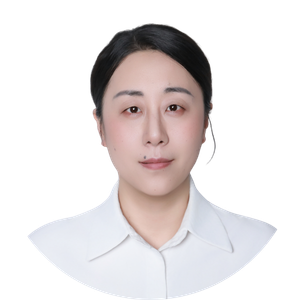 |
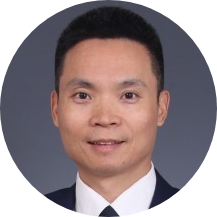 |
| Xianghua Wang |
Changqiao Xu |
| Beijing University of Posts and Telecommunications, China |
Beijing University of Posts and Telecommunications, China |
| |
|
| Topics: |
|
|
Ⅰ. Theoretical Foundations & AI-Control Fusion Frameworks (理论基础与AI-控制融合架构)
- Physics-informed machine learning for modeling and system identification (物理信息驱动的机器学习建模与系统辨识)
- Novel architectures integrating deep learning with modern control theory (融合深度学习与现代控制理论的新型架构)
- Stability, convergence, and robustness analysis of neural control systems (神经控制系统的稳定性、收敛性与鲁棒性分析)
- Data-driven approximation methods for complex dynamical systems (基于数据驱动的复杂动力学系统近似方法)
Ⅱ. Intelligent Autonomous Decision-Making, Planning, and Optimization (智能自主决策、规划与优化)
- Online mission planning and path optimization in uncertain environments (动态不确定环境下的在线任务规划与路径优化)
- Logic reasoning and task decomposition for engineering systems using LLMs (基于大语言模型(LLM)的工程系统逻辑推理与任务分解)
- End-to-end learning algorithms for autonomous control (端到端(End-to-End)自主控制学习算法)
- Real-time optimization and predictive control for high-dimensional nonlinear systems (高维非线性系统的实时优化与预测控制)
Ⅲ. Safety-Critical Control and Explainability (安全关键型控制与可解释性)
- Safe Reinforcement Learning (Safe RL) with stability guarantees (保障稳定性的安全强化学习(Safe RL)方法)
- Formal verification, testing, and safety assessment of AI controllers (AI控制器的形式化验证、测试与安全性评估)
- Explainability and transparency of AI decision-making in engineering (工程领域AI决策过程的可解释性与透明度研究)
- Fault diagnosis, fault-tolerant control, and self-healing under extreme conditions (极端工况下的故障诊断、容错控制与系统自修复)
Ⅳ. Multi-Agent Coordination and Distributed Autonomy (多智能体协同与分布式自主)
- Collaborative perception and control of large-scale heterogeneous swarms (大规模异构机器人集群的协同感知与控制)
- Edge computing-based communication and control for distributed systems (基于边缘计算的分布式自主系统通信与控制)
- Multi-agent reinforcement learning for complex engineering networks (多智能体强化学习在复杂工程网络中的应用)
- Autonomous coordination under communication constraints and adversarial settings (通信受限与对抗环境下的自主协同技术)
Ⅴ. Applications in Key Engineering Domains (典型工程领域应用研究)
- Autonomous control for aerospace vehicles, UAVs, and satellites (航空航天飞行器、无人机与卫星的自主控制)
- Intelligent scheduling and operation of smart grids and energy internet (智能电网、能源互联网的智能化调度与运行)
- Autonomous navigation for self-driving cars, ITS, and underwater vehicles (自动驾驶、智能交通与水下航行器的自主导航)
- AI implementation in smart manufacturing, bio-inspired robots, and industrial processes (智能制造、仿生机器人及工业过程控制的AI实践)
|
| |
|
| Summary: |
|
- 现代工程系统正向着更高层次的自主化迈进,空天飞行器、智能电网、机器人集群等典型场景对控制技术提出了严苛挑战。传统控制方法在高维非线性与强不确定性面前日益吃力,AI赋能的自主控制则展现出突破性潜力——它能够有效跨越精确建模的瓶颈,大幅增强系统在极端动态环境下的自适应能力与运行稳健性,成为工业智能化转型的核心驱动力。
本专题面向自动化、人工智能、机器人、航空航天及工业工程领域的科研人员、系统架构师与算法工程师,聚焦AI与现代控制理论的深度融合。与会者将系统了解强化学习、神经网络等前沿工具在自主决策与协同控制中的最新进展,掌握面向复杂工况的稳定性分析方法,并通过实际大型工程案例,获取可落地的实施经验。
|